Why fast availability is crucial in the food service industry
The reality of everyday kitchen life: when technology suddenly fails
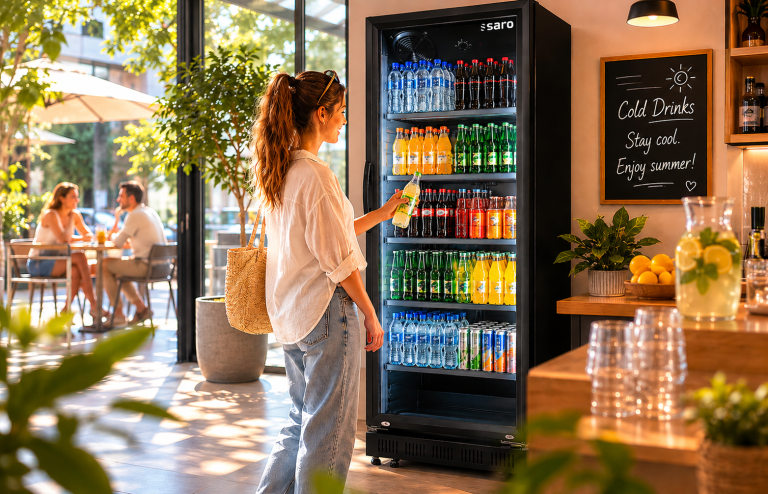
In gastronomy, it is often not the concept that determines the success of a day, but the technology. If a central piece of equipment fails, this has immediate consequences. A practical example: the refrigeration in a restaurant breaks down during the lunch business. Fresh goods are at risk, prepared dishes can no longer be used and the menu has to be spontaneously reduced.
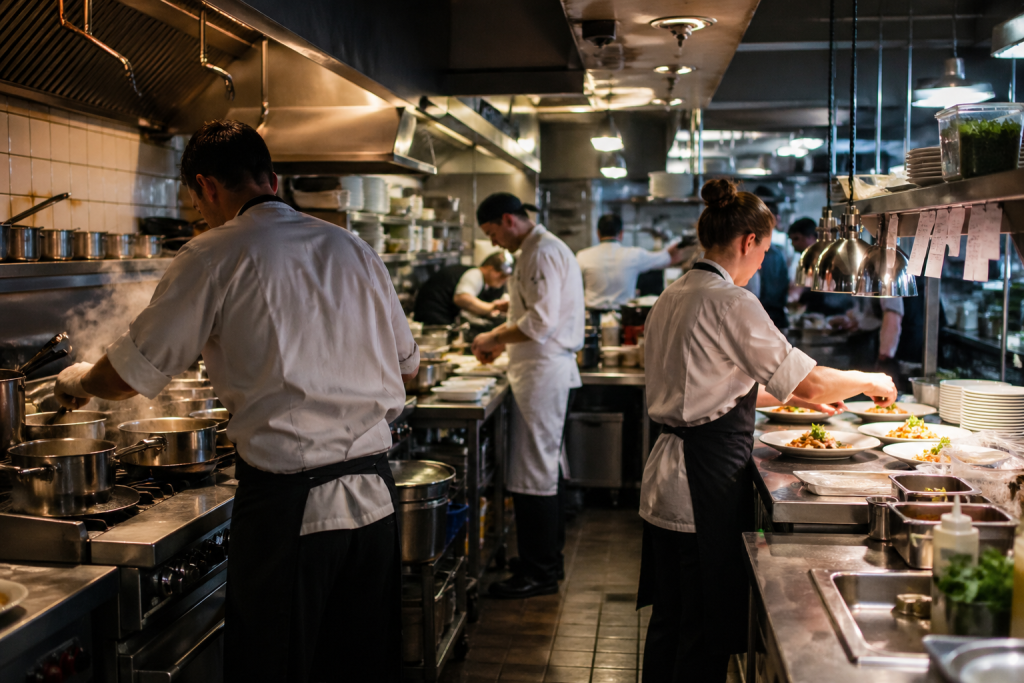
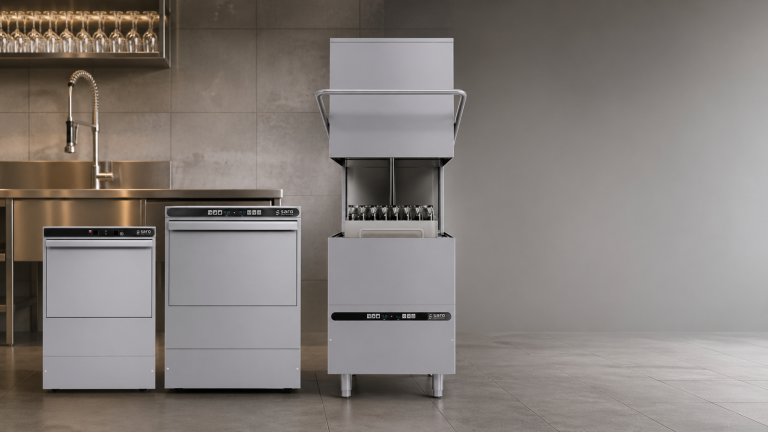
Similar situations arise when dishwashers break down, combi-steamers fail or cash register systems malfunction. Especially at peak times, there is not a minute to improvise. At the same time, replacement appliances or technicians are not always immediately available.
This puts additional pressure on specialist retailers. They are the first point of contact for their customers and have to deliver solutions quickly, even though they themselves are dependent on delivery times and availability.
The economic impact: More than just a defective device
A technical failure is rarely an isolated problem. The consequences have a direct impact on operations:
- Loss of sales due to limited supply or business interruption
- Spoilage of goods with cooling problems
- Inefficient processes due to temporary solutions
- Dissatisfied guests and possible reputational damage
- Additional costs for short-term replacement solutions
The economic situation in the hospitality industry is tense. According to DEHOGA, many businesses are working under high cost pressure and uncertain conditions.¹ In this environment, unplanned downtime has a particularly strong impact.
Delivery delays as an underestimated risk
In addition to acute defects, another factor is becoming increasingly important: delivery times. Disruptions in global supply chains have a direct impact on the availability of devices and spare parts.
A study by the German Association of Materials Management, Purchasing and Logistics (BME) shows that many companies continue to be confronted with unstable supply chains and limited availability.²
If a replacement device is only available after several weeks, structural problems arise:
- Temporary arrangements become permanent
- Employees work more inefficiently
- Falling quality standards
- Plannability is lost
Solution approach: availability as a strategic factor
Fast availability is no coincidence, but the result of an appropriate structure.
The decisive factors are:
- Warehousing instead of pure drop shipment business
- well-established logistics processes
- Clear service and support structures
- Access to spare parts
- Technical expertise for repairs
Availability thus becomes a strategic factor and not just an operational issue.
Where Saro comes in
This is precisely where Saro comes in. The focus is on making failures and delays manageable in everyday life.
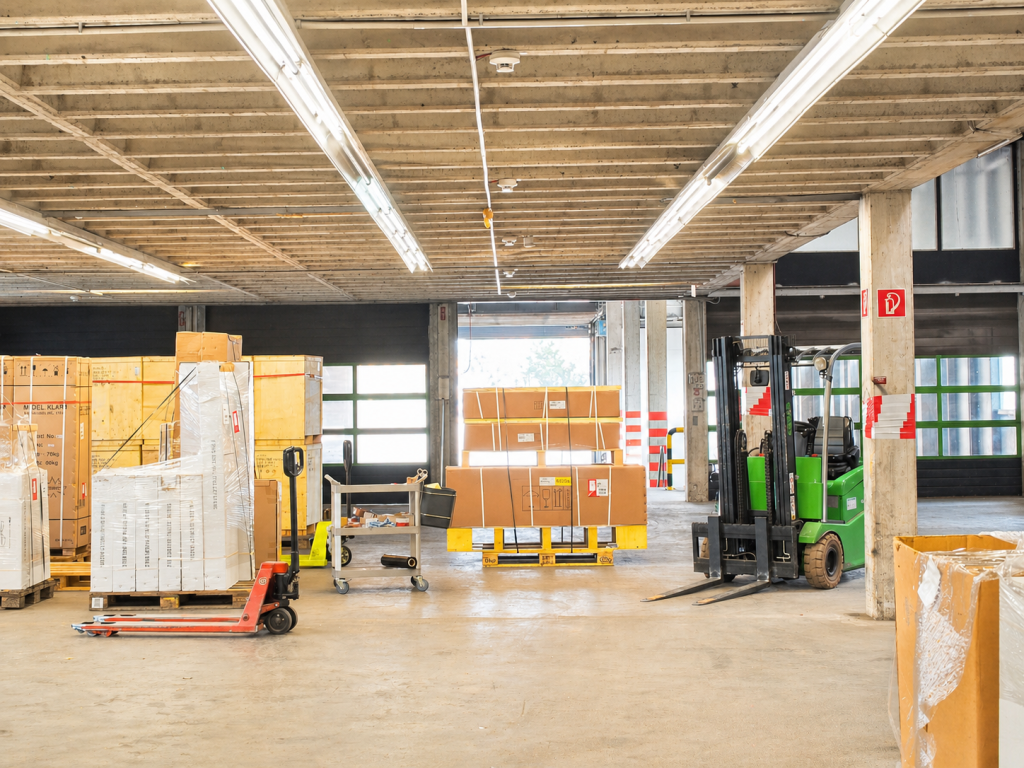
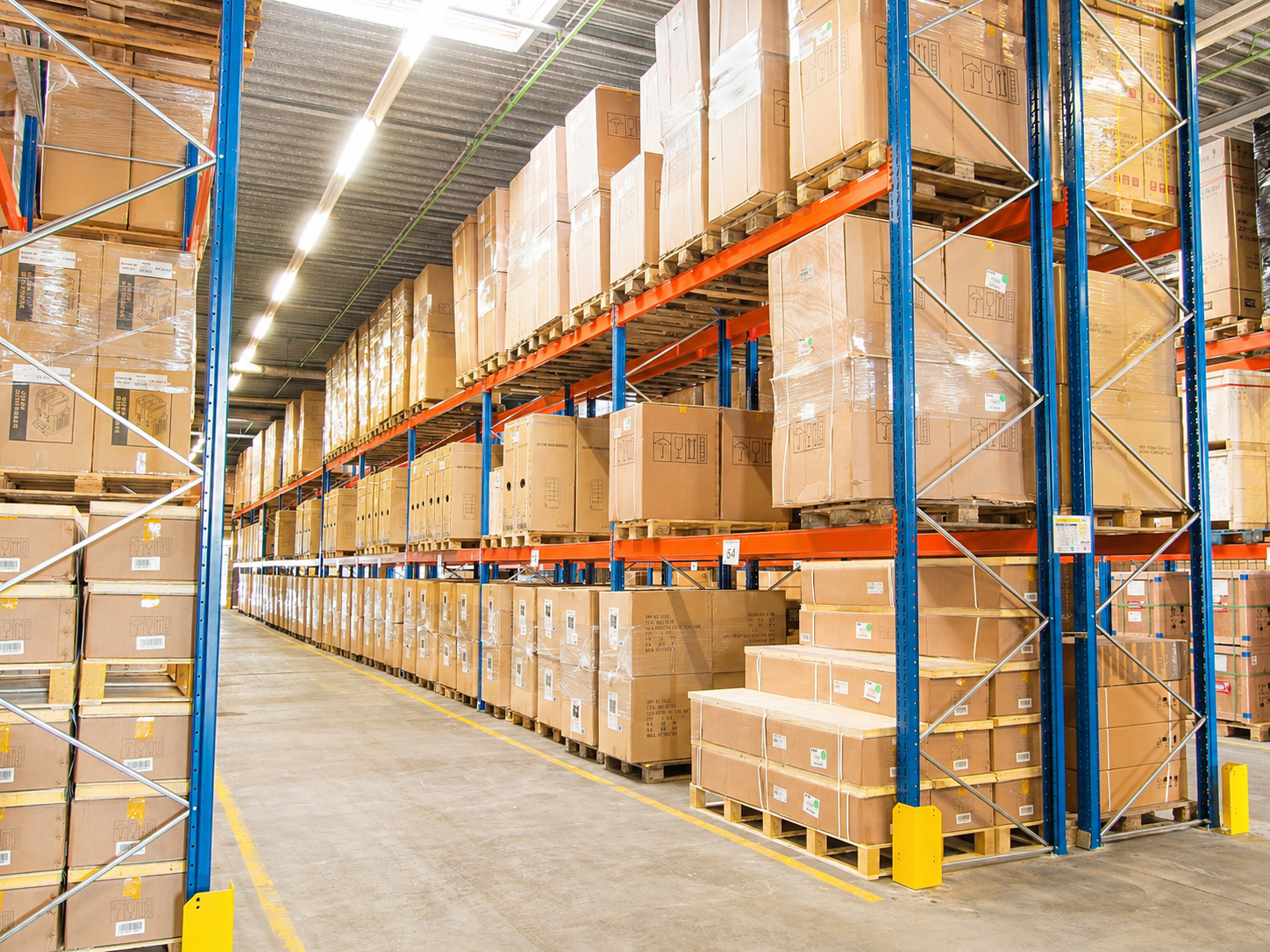
A central point is the warehouse structure. With around 10,000 square meters of storage space and a range of over 1,800 items, many devices and components are directly available. In many cases, this enables dispatch within around 24 hours.
For the restaurateur, this means that a defective appliance can be replaced at short notice. The business remains operational.
Another advantage for specialist retailers is that they can make reliable statements and react more quickly.
Another important factor is service. Thanks to fast response times, a structured spare parts warehouse and repair options, devices can not only be replaced but also repaired.
This is complemented by over 50 years of experience and ISO 9001-certified quality management. This means that processes can be planned and reproduced.
Why availability is part of a functioning partnership
For restaurants and specialist retailers, it’s not just about products, but about reliability in everyday life.
Availability means:
- Lower risk of failure
- Faster responsiveness
- More stable operational processes
This is a decisive factor, especially in an industry that relies heavily on timing and smooth processes.
Conclusion
Fast availability is not an additional service in the catering industry, but an operational necessity.
Technical failures and delivery delays cannot be avoided. The decisive factor is how quickly we can react to them.
Structured warehousing, functioning logistics and reliable service form the basis for stability in day-to-day business.
Sources
¹ DEHOGA Federal Association: Figures for the hospitality industry
https://www.dehoga.de/zahlen-fakten/dehoga-zahlenspiegel/
² German Association of Materials Management, Purchasing and Logistics (BME): Logistics Study 2024
https://www.bme.de/news/bme-logistikstudie-2024%3A-lieferketten-noch-nicht-resilient-genug/